Chimney Sweep & Cleaning
Chimney Sweep Framingham MA
A Clean Flue Is the Simplest Fire Protection You Can Buy
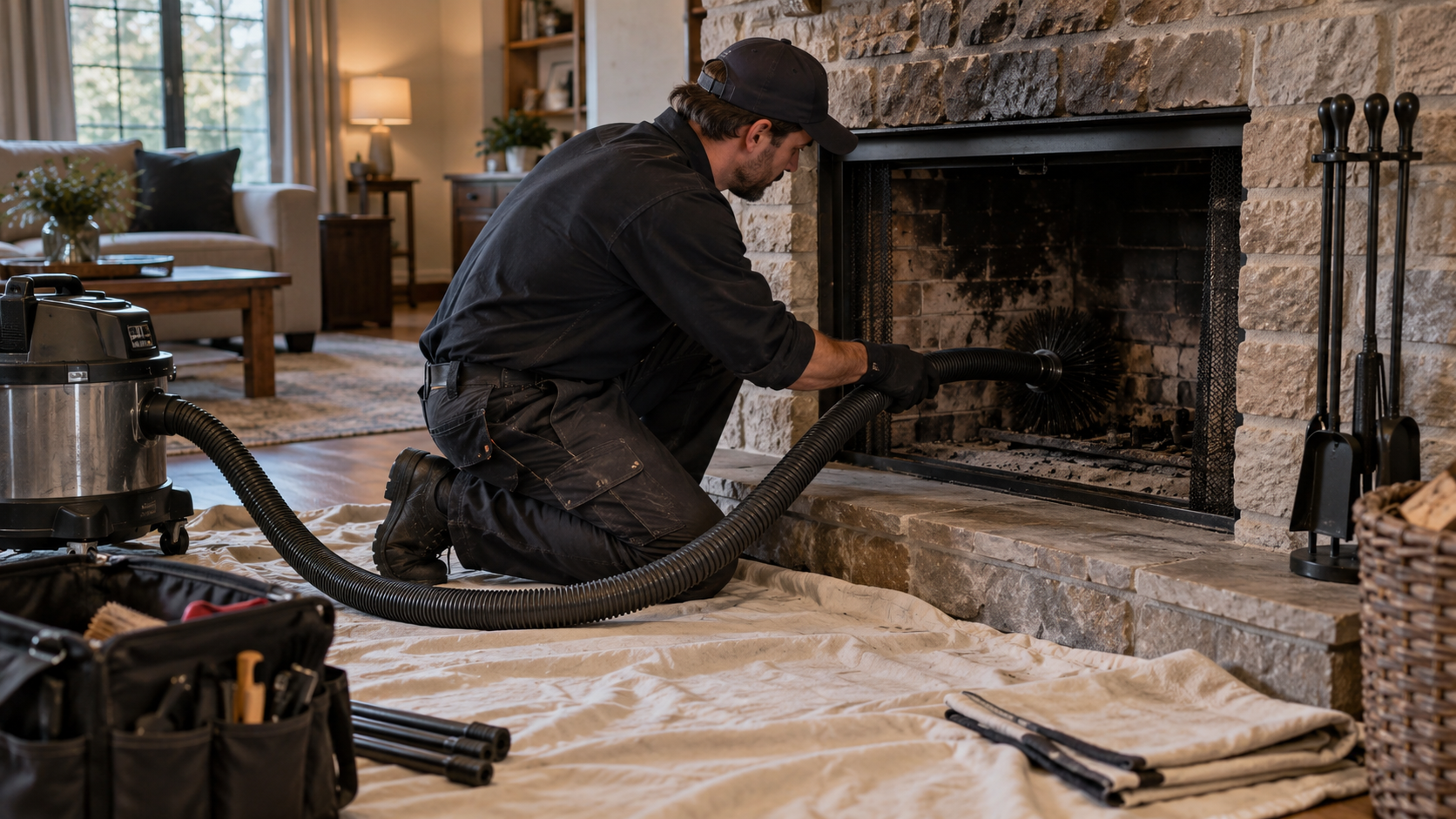
Every wood fire leaves something behind. Smoke cools as it rises, and what it carries sticks to the flue walls as soot and creosote. Left alone, that layer narrows the flue, sends smoke back into the room and, once it is thick enough, can catch fire inside the chimney itself.
A chimney sweep from Full Spectrum Chimney Services removes that buildup from the firebox, smoke chamber and flue, and looks over the whole system while we are there. Homeowners across Framingham and the MetroWest area call us for:
- Soot and creosote removal with brushes and rods sized to your flue
- Blockage clearing: nests, leaves and fallen debris
- A visual safety check of the firebox, damper, flue and chimney top
- Plain answers about what we found and what, if anything, needs attention
Our work follows the standards of the Chimney Safety Institute of America (CSIA), and we are licensed and insured.
Warning Signs
Six Signs Your Chimney Needs Cleaning
Chimneys rarely fail without warning. If you notice any of these, stop burning and have the flue looked at.
A Smoky or Tar-Like Smell
A bitter, campfire or asphalt odor from the fireplace, often stronger on humid days, is creosote you can smell.
Smoke in the Room
Smoke that rolls out of the firebox, not up the flue, points to a restricted or blocked chimney.
Fires That Struggle
Hard to light, slow to catch, quick to die. A fire needs draft, and buildup chokes it.
Black, Shiny Buildup
Shine a flashlight past the damper. A dark, crusty or glassy layer 1/8 inch thick means it is time.
Debris in the Firebox
Soot flakes, twigs, nesting material or bits of mortar on the hearth all came from somewhere above.
Over a Year Since a Sweep
No symptoms yet? If it has been more than a year, the chimney is still due for a look.
Creosote Removal
The Three Stages of Creosote Buildup
Creosote is the dark, flammable residue that forms when wood smoke cools and condenses inside the flue. It gets harder to remove, and more dangerous, at every stage.
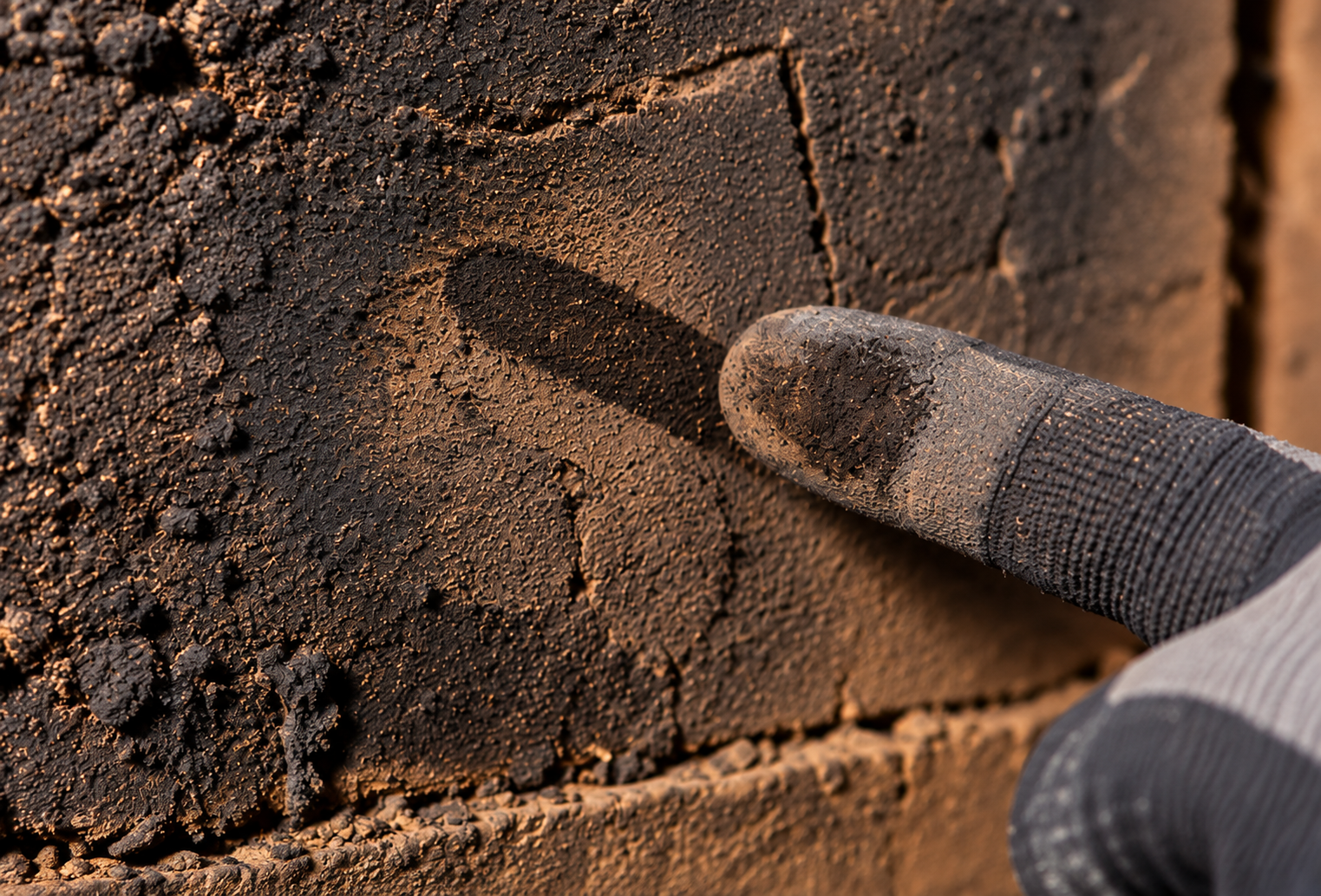 Stage 1
Powdery Soot
Soft, dusty, brown or black. It forms when seasoned wood burns hot with good airflow, and a standard chimney brush removes it easily.
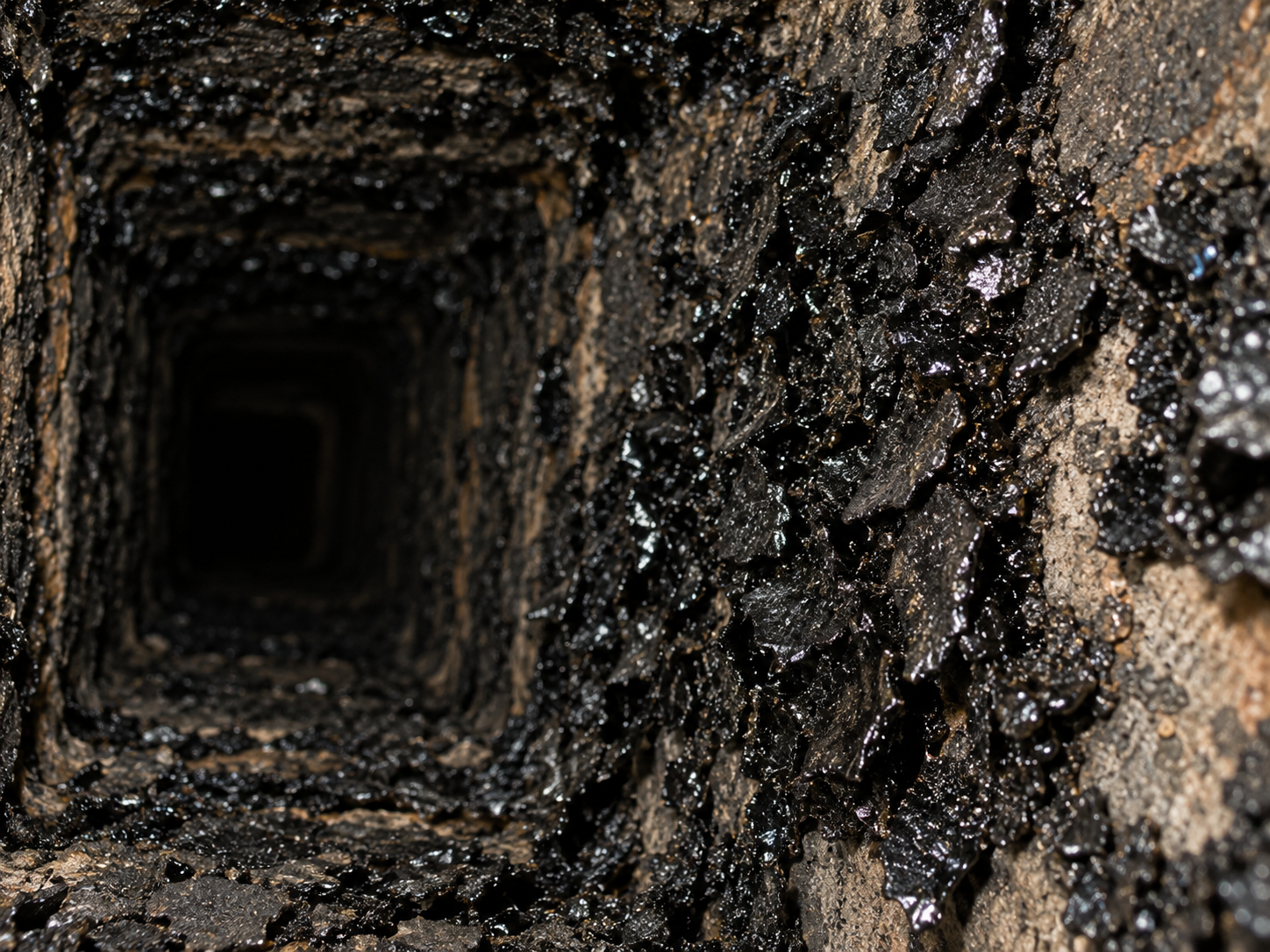 Stage 2
Hard, Crunchy Flakes
Shiny black flakes of hardened tar. It shows up when air is restricted, as with closed stove doors or slow overnight burns, and usually needs rotary tools to remove.
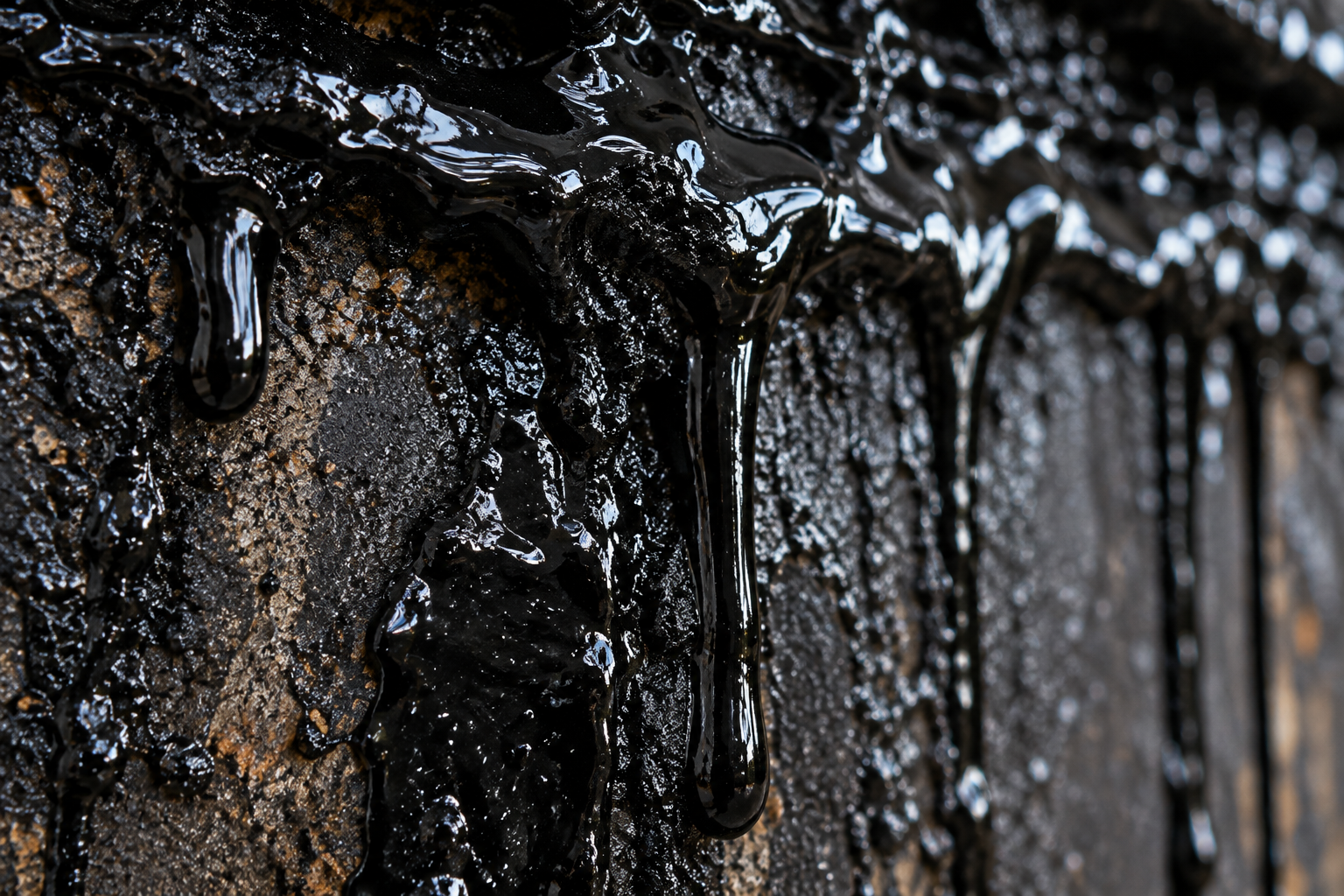 Stage 3
Glazed Tar
A thick coating that looks like black glass. It is highly flammable, cannot be brushed away, and calls for professional chemical treatment or, in severe cases, a new liner.
The easiest way to stay at stage 1: burn dry, seasoned hardwood, give the fire enough air to burn hot, and have the chimney swept before the layer reaches 1/8 inch. If a sweep turns up cracked flue tiles or a damaged liner, our chimney repair team can take it from there.
Your Appointment
What to Expect When We Sweep Your Chimney
One well-kept flue usually takes 45 minutes to an hour. Heavy buildup, multiple flues or a wood stove can take longer.
Protect the Room
Boot covers on, drop cloths over the hearth and floor, and a chimney-specific HEPA filter vacuum running the entire time, so the soot leaves with us.
Sweep the Flue
Brushes and rods sized to your flue scrub the firebox, smoke chamber and liner from bottom to top.
Inspect the System
We check the firebox, damper, flue and chimney top for cracks, gaps, moisture and blockages.
Clean Up and Report
We leave the room as we found it and walk you through what we saw, with clear next steps if anything needs work.
Gas Fireplaces & Quiet Chimneys
No Wood Smoke Does Not Mean No Maintenance
Gas burns clean, so a gas fireplace will not coat its vent with creosote. It still needs a yearly look. Birds and squirrels nest in quiet flues, leaves and debris collect at the top, and the moisture in gas exhaust slowly corrodes liners and metal vents. A blocked vent can push carbon monoxide back into the house without any smoke to warn you.
The same goes for a fireplace you only light a few times a year. Light use slows soot buildup, but weather, animals and age keep working on the chimney whether you burn or not. A missing or damaged cap is the most common way in, which is why we check it on every visit and can handle chimney cap installation when one is needed.
If your fireplace has been sitting unused, or you just bought the home, pair the sweep with a full chimney inspection before the first fire.
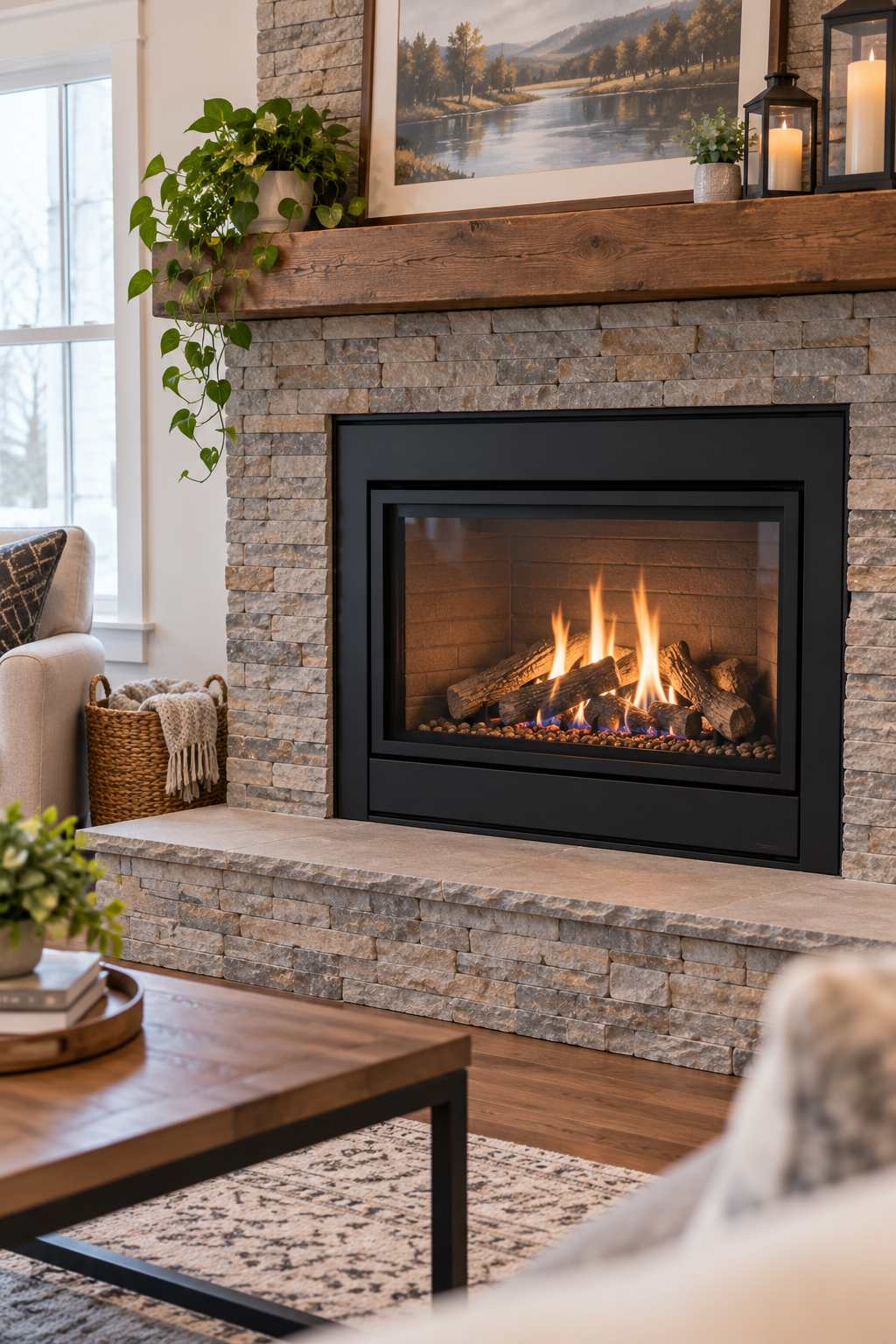
Once a Year, Before Your First Fire of the Season
That is the schedule fire safety standards call for, and it leaves time to fix anything we find. Between visits, ongoing chimney maintenance keeps small problems small.
FAQ
Chimney Sweep Questions, Answered
How often should a chimney be cleaned?
At least once a year. The National Fire Protection Association calls for a yearly inspection of every chimney, fireplace and vent, with cleaning whenever it is needed. The Chimney Safety Institute of America (CSIA) sets the cleaning trigger at 1/8 inch of soot or creosote on the flue walls. If you burn daily through the cold months, go through more than a cord of wood, or burn softwood or damp wood, plan on a second sweep partway through the burning season.
How do I know if my chimney needs cleaning?
The common signs are a smoky or tar-like smell from the fireplace (often stronger in humid weather), smoke drifting into the room, fires that are hard to start or keep lit, black flakes or debris dropping into the firebox, and a dark, shiny or crusty layer on the damper or flue walls. If it has been more than a year since your last sweep, it is due even if none of these have shown up yet.
How long does a chimney sweep take?
A standard sweep of one well-kept flue usually takes about 45 minutes to an hour, including setup, the cleaning itself, a visual inspection and cleanup. Heavy buildup, an animal nest, multiple flues, a wood stove or a tall home can stretch that to two or three hours.
Is a chimney sweep messy?
It should not be. Our technicians wear boot covers in your home, lay drop cloths over the hearth and floor, close off the fireplace opening, and run a chimney-specific HEPA filter vacuum the whole time the brushes are working, so soot goes into the vacuum and not into your living room. Most homeowners are surprised by how clean the room is when we leave.
Can I clean my own chimney?
You can, and it is legal in most places. A straight, single flue with light powdery soot is a reasonable job for a homeowner who owns the right size brush and rods and is safe on a roof. What a do-it-yourself sweep misses is the inspection: cracked flue tiles, a damaged crown, a failing liner or glazed creosote that a brush cannot remove. If you see shiny, hardened buildup, have a steep roof, or have not had a professional look in a few years, book a professional sweep.
Do creosote sweeping logs work?
Partly. Sweeping logs release minerals that dry out soft creosote so it turns flaky and brushes off more easily. They do not remove anything from the chimney, they cannot break down hard glazed creosote, and the loosened flakes can pile up on the smoke shelf. They are a helpful extra between visits, not a replacement for a sweep and inspection.
Do gas fireplaces need chimney cleaning?
They need a yearly check, though usually not a traditional sweep. Gas burns clean and does not create creosote, but the vent can still be blocked by nests, leaves or debris, and gas exhaust carries moisture that can corrode the liner over time. A blocked or damaged vent can push carbon monoxide back into the house, so a yearly inspection is still worth it.
What are the first signs of a chimney fire?
A loud roaring or rumbling sound, often compared to a freight train, dense smoke or sparks shooting from the chimney top, and a strong, hot smell. If you suspect one, get everyone out of the house and call 911 right away. Close the fireplace doors and damper only if you can do it safely. Do not use the fireplace again until the chimney has been inspected, because a chimney fire can crack flue tiles and damage the liner.
How much does a chimney sweep cost?
It depends on the number of flues, the type of appliance (open fireplace, insert, wood stove or gas), how much buildup there is and what stage it has reached, how easy the roof is to access, and whether you add a camera inspection. Every job is quoted up front. Contact us for a personalized estimate.
Contact Us
Schedule Your Chimney Sweep Today
Full Spectrum Chimney Services is based at 945 Concord Street in Framingham and sweeps chimneys throughout MetroWest, including Natick, Ashland, Sudbury, Marlborough, Weston and Newton. Every visit includes a visual safety check and a straight answer about the condition of your system.
Call (774) 410-7673 or request a free estimate online, and burn with confidence all season.
Make Sure Your Fireplace Is Safe and Ready to Use.
Request a sweep, inspection, repair estimate or fireplace consultation today.
Free Estimates